Claudia Flores: Repopulating her Community with River Turtles - IPLC Climate Leaders
Indigenous Peoples & Local Community Climate Leadership Series
Voices from the Frontline, 2022
As part of our contribution to the deliberations at the UN Climate Change Convention discussions at COP-27 in November 2022, we want to promote the voices of Indigenous and Traditional Leaders working at the frontlines of climate change and biodiversity conservation, helping every day to protect and restore our natural habitats in the field. The article that follows is adapted from an interview with Peruvian Indigenous leader Claudia Flores, Amazonia Indigenous Women’s Fellowship Program.
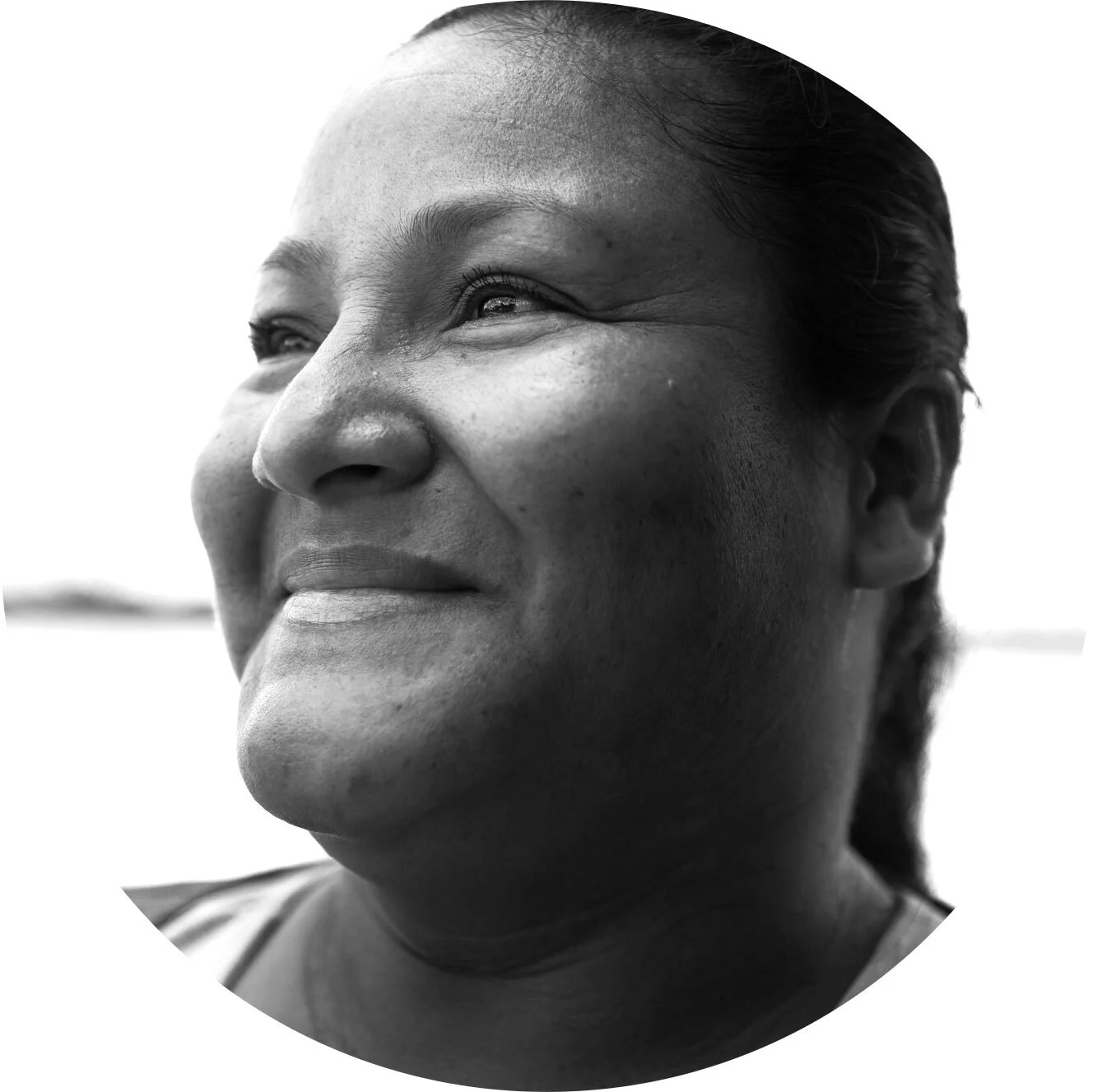
Image © CI/Diego Pérez
Claudia, could you please introduce yourself to our readers?
I belong to the community of Tres Esquinas on the banks of the Putumayo River, on the border between Peru and Colombia. There are 10 families in my community, and a total of 48 people in total who are organized together to carry out our environmental management work.
My community is related to fishing, we are all fishermen here. There is very little agriculture because the water arrives, and everything gets flooded.
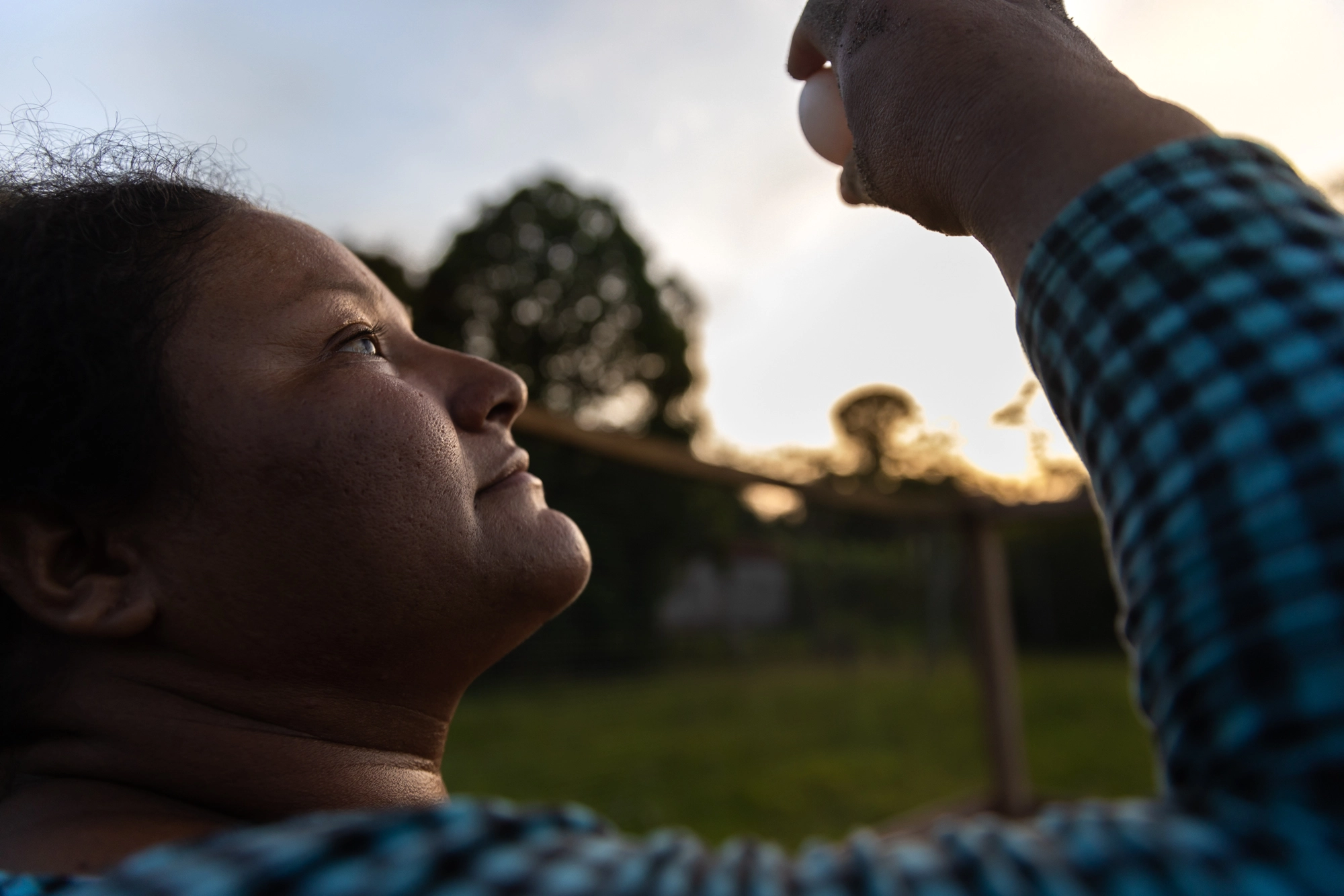
Image © CI/Diego Pérez
Have you seen any climate changes where you live, and how are you responding?
Yes, I have seen changes in the climate. The winter leaves us with nothing, sometimes lasting 3-4 months, and the summer is too intense. Because of the winter, fruits such as bananas and cassava are scarce because everything gets ruined by the floods. There is no high ground to grow crops here.
We have an association called 'APA Los Cocodrilos', that is about the management of the arawanas (an ornamental fish species); and we are also working on a management plan with taricayas (chelonians or yellow spotted river turtles). We have been working on the arawanas for six to seven years. All the community members are partners.
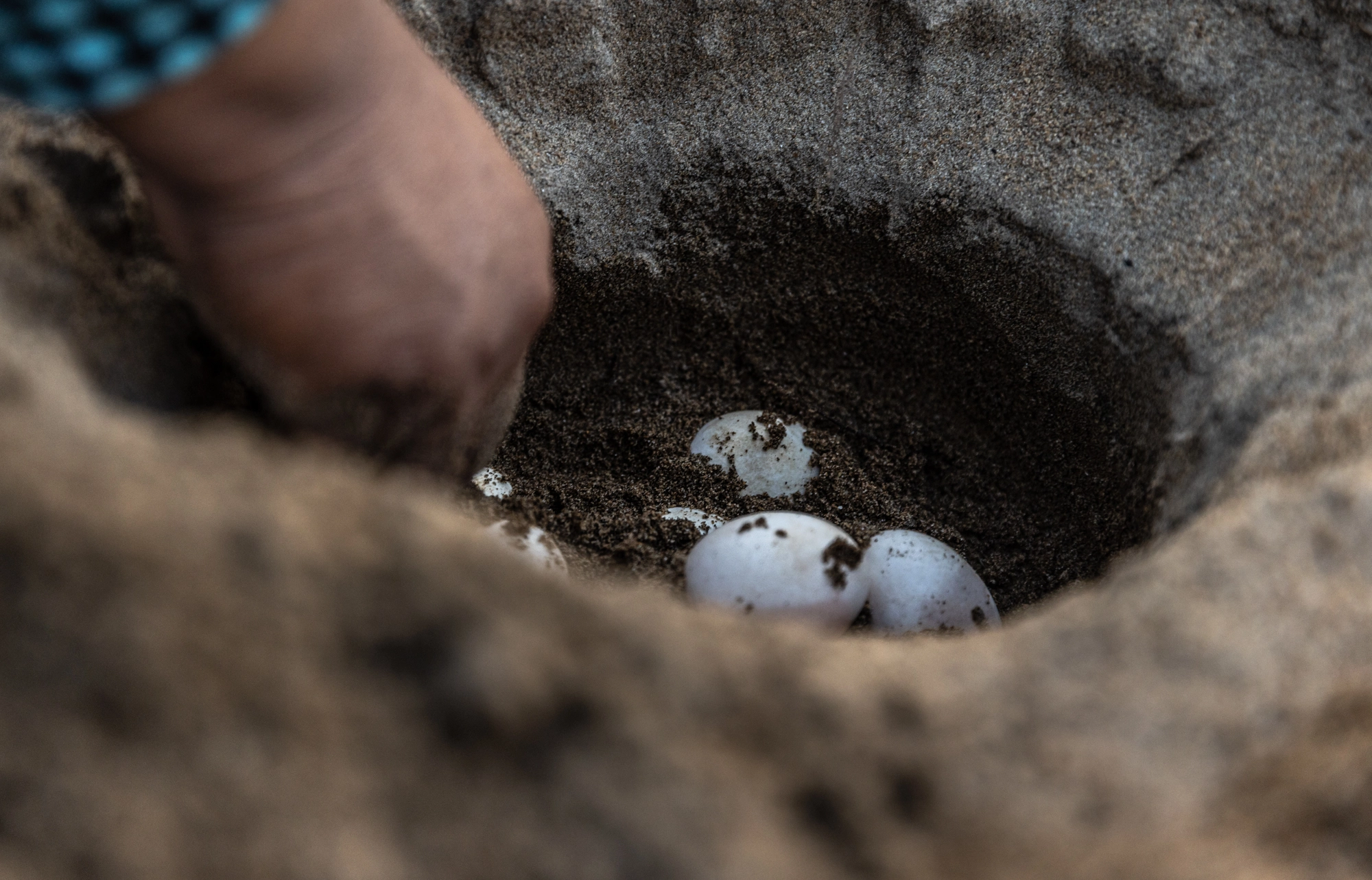
Arawanas are a very popular species across Asia. That is why our community is working on a management plan for their sustainable use. Each arawana produces between 200 and 250 alevinos, or young fish. The hatching season starts in March and runs until April or the first week of May. For the recovery process of the yellow spotted river turtles, our community collects their eggs from a natural beach and moves them onto an artificial one, to protect them until they hatch and can be released. We thank the organisations that have given us support for our work.
You recently won a scholarship to the Amazonia Indigenous Women’s Fellowship Program. What does this mean for your work?
I am proud to have won the scholarship of the Amazonia Indigenous Women’s Fellowship Program. They told us to present a project, and the Park Authorities supported us. We decided that our should be about protecting the taricayas, as we have been working on this issue for five years already. I have high expectations for the future of my community and our sustainable management project!
We still need to make the beach bigger, so we are very happy to have won. This will generate a resource for our community. We are a group, and the benefit will be for us as community members. I feel very proud to have won this grant.
Maybe later on we will be able to export the taricayitas. I hope this will generate resources for the villagers - we need to educate our children, and we now have that facility through these projects we are running.